

Top-Rated Korean Aesthetic Clinic in Singapore for Natural Results
A Korean aesthetic clinic operates as a streamlined, technology-driven medical facility where dermatologists and plastic surgeons deliver same-day, non-invasive procedures like laser skin resurfacing, injectable fillers, and ultrasound tightening in a single visit. Most consultations are completed within 15 minutes, with treatments typically lasting 30 to 60 minutes using advanced devices calibrated to individual skin analysis. Patients select from fixed-price menus during a brief counseling session, then receive the procedure in a private room, with aftercare instructions provided digitally via a mobile app. The core benefit is precision: each clinic uses multi-step protocols that combine diagnosis, treatment, and immediate recovery support for high-efficiency cosmetic outcomes.

What Makes a Korean Aesthetic Clinic Different From a Standard Med Spa
A Korean aesthetic clinic is less a medical pit-stop and more a precision skin couture atelier, where the approach is radically different from a standard med spa. The core distinction lies in the obsession with *skin barrier health* and cumulative, natural-looking results over aggressive, one-time fixes. Instead of merely selling laser packages, practitioners perform a detailed skin analysis and design a multi-step protocol—often blending gentle peels, RF microneedling, and custom ampoule treatments—that target the root cause of dullness or congestion. Your downtime is actively engineered to be zero, so you can return to sightseeing or work immediately, which is a stark contrast to the peeling and redness many Western spas accept. Every product layer and device setting is calibrated to your skin’s live response, not a generic protocol. The result is a “glass skin” glow that emerges subtly over weeks, not a dramatic, visible overhaul. Here, the clinic feels like a wellness ritual where the aesthetician’s touch is as crucial as the laser’s wattage. Ultimately, you leave with a tailored home-care roadmap, not just a receipt.
Signature Korean Skin Analysis and Consultation Process
The Signature Korean Skin Analysis begins not with a device, but with a dialogue—your clinician maps your lifestyle, stress, and product history before a single scan. Next, a multi-spectral imaging tool reads beneath the surface, revealing dehydration patterns, pigment clusters, and early collagen loss invisible to the naked eye. This data drives a real-time, skin-type-specific protocol: your consultation moves from diagnosis to a live “skin clock” projection, showing how your pores and elasticity will shift over 5 years without intervention—then with a personalized plan. The process concludes with a touch-test texture check, letting you feel the exact serum layering sequence your skin will receive during treatment. Everything hinges on this layered diagnosis, not generic guesses.
The Role of Advanced Laser and RF Technologies in Routine Care
In a Korean aesthetic clinic, advanced laser and RF technologies are not reserved for corrective procedures but are woven into routine maintenance visits. Unlike standard med spas that reserve such devices for occasional resurfacing, these clinics deploy fractional lasers and bipolar RF on a scheduled basis to preempt collagen degradation and pigment accumulation. This shifts the paradigm from reactive repair to proactive tissue preservation, where each session builds on the previous one. Practitioners calibrate energy levels based on real-time skin impedance, ensuring sub-threshold stimulation that avoids downtime while sustaining dermal remodeling. Routine RF micro-needling, in particular, is used monthly to maintain elastin density, while low-fluence lasers target early dyschromia before it becomes visible. The result is a continuous, cumulative effect that keeps skin in a state of controlled renewal, making advanced technology the baseline, not the upgrade.
Advanced laser and RF in Korean clinics function as ongoing preventive tools, maintaining skin architecture through frequent, low-intensity treatments that standard med spas rarely integrate into routine care.
Why Korean Clinics Prioritize Skin Barrier Health Over Aggressive Treatments
Korean clinics treat your skin barrier like the foundation of a house—if it’s cracked, nothing else holds. That’s why they skip harsh, aggressive resurfacing in favor of gentler, multi-step protocols that keep your moisture layer intact. You’ll hear doctors say “repair first, treat later,” meaning they often start with calming creams and low-energy lasers before any stronger procedure. This approach reduces downtime, prevents post-treatment breakouts, and makes results last longer. Instead of stripping your skin to fix it fast, they build it up so it can heal itself. Skin barrier health is the real priority, not quick peel-and-burn fixes.
- Barrier-focused pre-treatment prep reduces irritation and side effects.
- Lower-intensity devices are layered over weeks instead of one big blast.
- Post-care always includes barrier-repair ointments and ceramide-rich dressings.
- Treatments are adjusted mid-session if your skin shows stress signs.
How to Select the Right Clinic for Your Skin Type and Goals
When picking a Korean aesthetic clinic, start by pinpointing your exact skin type—oily, dehydrated, or sensitive—since Korean clinics often specialize in targeted treatments like LDM or Aqua Peel. Ask for a consultation that includes a skin analysis device, not just a quick chat; this shows they tailor plans rather than pushing a one-size-fits-all package. For goals like anti-aging or acne scar reduction, check if the clinic offers multiple device options (e.g., laser vs. RF microneedling) and ask which one suits your tolerance. Look for before-and-after photos of patients with similar skin tones, especially if you deal with hyperpigmentation, because Korean clinics sometimes focus on brightening. Finally, request a patch test for sensitive skin before committing to a full procedure—this is your best way to ensure the approach truly matches your concerns.
Key Red Flags to Avoid When Reading Online Reviews and Before-and-After Photos
When scanning reviews for a Korean aesthetic clinic, spotting red flags in photos and testimonials starts with uniformity—if every before-and-after shows identical angles, lighting, and skin tone, suspect stock or heavily edited images. Beware reviews that gush without specifics, especially if they mention “painless” or “instant” results, which rarely match realistic recovery timelines. Also, flag clinics that hide negative feedback or feature only celebrity-style transformations; real patients show minor imperfections. Finally, cross-check photo metadata or reverse-image search—if the same face appears across different clinics, that’s a clear warning. Overly polished galleries often mask inconsistent doctor skill, so prioritize candid, unretouched snaps.
- Compare multiple photos per patient
- Look for varied skin textures
- Demand unedited camera timestamps

Questions to Ask During Your First Consultation to Gauge Expertise
To gauge a Korean clinic’s expertise, ask how the consultant or doctor customizes treatment protocols for your specific skin barrier and Fitzpatrick type. Specifically, request a breakdown of device settings (e.g., laser fluence or RF depth) they’d use for your concerns. Then, inquire about their complication rate for procedures like threading or deep peels, and demand before-and-after photos of patients with your skin tone. Finally, ask which alternative they’d recommend if your primary requested procedure fails or is contraindicated. A methodical response indicates deep clinical reasoning.
- Ask for your skin type’s exact treatment protocol.
- Request complication statistics for your planned procedure.
- Demand same-ethnicity case photos.
- Probe Sofwave in seoul for plan B rationale.
How to Verify the Quality of Products and Devices Used in the Clinic
Before committing to a Korean aesthetic clinic, verify product authenticity by requesting to inspect unopened packaging for holographic seals or QR codes that link to the manufacturer’s database—counterfeit fillers and toxins are a known risk in unregulated resale channels. For devices, ask the clinician to display the equipment’s serial number and cross-reference it with the brand’s official service registry, ensuring it hasn’t been tampered with or subjected to unauthorized repairs. Inquire about maintenance logs: reputable clinics document calibration checks for lasers or RF machines after every ten uses, and you can request a glance at these records. Finally, test a patch on a small area first, as genuine devices produce predictable, mild reactions; any unexpected burning or prolonged redness signals substandard hardware.
Step-by-Step Guide to Your First Visit and Treatment Journey
Your first visit to a **Korean aesthetic clinic** starts with a consultation, where a specialist uses skin imaging to map your concerns—no pressure, just data. You then move to a personalized treatment plan, often combining gentle procedures like hydradermabrasion with a targeted booster shot. Before starting, a patch test ensures your skin tolerates the products, and the practitioner explains each step’s sensation. Most sessions last 30–60 minutes, so you can easily fit one into a lunch break. Aftercare is streamlined: you receive a printed card with a simple routine, plus a follow-up check via KakaoTalk within a week. Within two to three visits, you’ll notice cumulative results, and the clinic’s system reminds you when to book your next touch-up. It’s efficient, transparent, and designed for your comfort.
What to Expect During the Initial Skin Mapping and Diagnostic Imaging
Your initial skin mapping in a Korean aesthetic clinic begins with removing all makeup and sunscreen, then resting your face in a specialized imaging booth. Devices like the Mark-Vu or Janus-III capture multi-spectral photos revealing UV pigmentation, red vascularity, and pore depth. You’ll feel only a cool flash—no pain. Within five minutes, the consultant overlays these images with a 3D elasticity map to quantify wrinkle volume and sebum distribution. Diagnostic imaging precision drives your treatment plan, as the doctor traces lesion boundaries directly on the digital model. Expect your skin type (Fitzpatrick scale) and dehydration score to be calculated automatically. You’ll receive a printed baseline report before any laser or peel begins.
Common Treatment Packages for First-Timers and How They Are Tailored

First-timers at Korean aesthetic clinics typically encounter bundled packages that combine diagnosis, a core procedure, and post-care sessions, rather than à la carte pricing. These packages are tailored by skin analysis (e.g., oiliness, dehydration, or pigmentation) to swap a default treatment for a targeted one—like replacing basic hydration with a mild peel for acne-prone skin. Standardized yet adjustable starter packages often include one session of laser, one of lifting, and a facial mask, with intensity scaled down for novices. The clinic then modifies frequency based on recovery response, ensuring a gentler entry while still delivering visible results. Payment tiers usually reflect the number of touch-up visits, not the technology used.
How Downtime and Aftercare Are Managed for Different Procedure Types
For non-invasive procedures like laser toning or hydra facials, downtime is minimal—you can resume makeup and social activities within hours, though your clinic will provide cooling masks and prescribe gentle, fragrance-free skincare to manage transient redness. Injectable treatments, such as botulinum toxin or dermal fillers, require a strict 4-hour post-treatment rule: avoid lying down, heavy exercise, and alcohol to prevent migration or bruising; cold compresses are applied immediately, and follow-up visits at two weeks ensure symmetrical results. Surgical procedures, including double eyelid surgery or rhinoplasty, involve structured aftercare—ice pack schedules for the first 48 hours, head elevation while sleeping, and mandatory in-clinic stitch removal and swelling checks at day 5–7. Your clinic’s nurse sends daily KakaoTalk messages with tailored instructions, while deswelling management—like low-level laser therapy or ultrasound—is scheduled from day 3 onward to speed recovery. Each plan is time-boxed and reviewed at every visit, ensuring you know exactly when to return for optimized aesthetic outcome checks.
Downtime and aftercare in Korean clinics are protocol-driven: immediate cooling and avoidance rules for injectables, surgical-specific swelling control and stitch care, with remote monitoring and scheduled deswelling sessions to keep every recovery phase predictable.
Key Benefits You Can Realistically Expect From Regular Visits
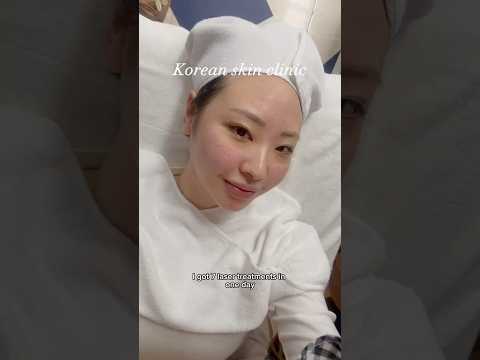
Regular visits to a Korean aesthetic clinic mean your provider actually gets to know your skin’s changing rhythm, so treatments like LDM or Aqua Peels get tweaked based on what’s happening *that week*, not a generic script. You’ll see a real compounding effect—booster shots and light facials build on each other, so glow isn’t just post-appointment, it sticks around. Consistency also catches small issues early, like dehydration or clogged pores, before they blow up into breakouts. You build a trusted routine that fits your lifestyle, whether that’s quick lunchtime tightening or deeper monthly exfoliation, and your clinician remembers your sensitivities, avoiding trial-and-error. Honestly, the biggest win is that maintenance becomes less painful—both in time and in wallet—because you’re preventing, not just fixing. Over time, your skin barrier stays stable, and products you use at home finally seem to do their job.
How Preventative Maintenance Slows Down Visible Aging Signs
Preventative maintenance at a Korean aesthetic clinic targets aging at its earliest cellular stage, before fine lines calcify into deep wrinkles. Regular, low-intensity treatments like moisturizing facials and gentle lasers stimulate collagen production consistently, which keeps skin elasticity firm and delays sagging. By addressing dullness and dehydration every few weeks, you prevent cumulative damage from UV exposure and stress, which are primary accelerators of visible aging. This proactive approach ensures your skin maintains a youthful plumpness, rather than reacting to damage after it appears. Consistent preventative treatments effectively slow down visible aging signs by maintaining skin barrier integrity and cellular turnover at an optimal, steady rate.
- Preserves collagen density to prevent premature fine lines.
- Maintains hydration levels to reduce crepey texture.
- Boosts circulation for a consistent, youthful glow.
- Strengthens skin resilience against environmental stressors.
The Cumulative Effect of Light-Based Treatments on Pigmentation and Texture
Light-based treatments at a Korean aesthetic clinic deliver measurable results through repeated, scheduled sessions, not single visits. Each IPL or laser pass gradually disrupts melanin clusters in the epidermis, so superficial dark spots fade in layers while deeper pigmentation breaks down without triggering rebound hyperpigmentation. Simultaneously, controlled thermal injury stimulates collagen remodeling and accelerates cell turnover, which smooths rough texture by replacing irregular surface cells with denser, more uniform tissue. Over three to five sessions, you observe that pigmentation becomes lighter and more diffuse, while tactile roughness diminishes. This dual action—cumulative pigment clearance and textural refinement—is why consistency matters: skipping appointments interrupts the biological cascade, delaying visible outcomes.
How many light sessions are typically needed to see texture and pigmentation changes? Most skin types require four to six treatments spaced three to four weeks apart, with noticeable pigment lightening after the second session and texture improvement becoming obvious by the fourth.
Cost-Effectiveness of Long-Term Skin Management Plans
A long-term skin management plan in a Korean aesthetic clinic converts sporadic, expensive rescue treatments into predictable, lower-cost maintenance sessions. By addressing concerns like pigmentation or elasticity at early, reversible stages, you avoid the cumulative expense of advanced procedures—such as fractional lasers or heavy peels—that reactive care demands. Routine visits also allow your clinician to adjust product and in-clinic protocols precisely, ensuring every session yields compounding results rather than temporary fixes. Over a year, this structured approach typically reduces total spend by minimizing emergency interventions and downtime, while preserving the skin’s baseline health. This makes consistent care a financially strategic investment, not merely a cosmetic one.
- Prevents costly progression of acne scarring or melasma through timely intervention.
- Reduces annual procedure count by using lower-energy, maintenance-grade treatments.
- Optimizes homecare product efficacy, lowering retail replacement frequency.
- Locks in results between visits, avoiding full-price “rebuild” packages.
Practical Tips for Maximizing Results and Avoiding Common Pitfalls
To maximize results at a Korean aesthetic clinic, sequencing is your secret weapon—never stack aggressive treatments like laser and deep peel in one visit; instead, space them 3–4 weeks apart. Prep your skin barrier with ceramides for at least seven days before any procedure, and avoid exfoliants post-treatment.
The most common pitfall is choosing a “cheap package” without confirming the doctor performs the procedure—always verify the physician’s role, not just the technician’s.
Communicate your exact home routine (including retinoids and vitamin C) so the clinician can adjust downtime. Finally, book your follow-up before leaving Korea; a quick one-week check-up catches issues like hyperpigmentation or uneven filler early, saving you from permanent regret.

How to Prepare Your Skin Before an Appointment for Better Absorption
Begin your prep 48 hours prior by halting all active ingredients like retinoids, AHAs, and vitamin C to prevent sensitization, ensuring your skin’s barrier is calm enough for maximal ingredient uptake. On the day, cleanse with a gentle, pH-balanced foam, then apply only a lightweight, water-based moisturizer—never heavy oils or thick creams, which block penetration. Avoid exfoliating scrubs or facial shaving within 24 hours, as micro-tears can cause uneven absorption and irritation during the procedure. Arrive with a completely bare face: no makeup, sunscreen, or serums, as residues dilute or neutralize the clinic’s pre-treatment toners.
- Drink 500ml of water two hours before to hydrate skin cells from within, boosting osmotic pull of injected or layered products.
- Skip caffeine and alcohol for 24 hours to prevent vasoconstriction, which reduces blood flow and product diffusion.
- Use a lukewarm steam towel for three minutes in the morning to open pores without stripping natural lipids, improving passive penetration.
Post-Treatment Skincare Routines That Complement Clinic Work
After leaving a Korean aesthetic clinic, the efficacy of procedures like lasers or peels hinges on a meticulously sequenced home regimen that extends the clinician’s work. Begin by replacing all active ingredients—such as retinoids or acids—with barrier-repairing ceramide creams for at least 72 hours, as this prevents transepidermal water loss and calms post-procedural inflammation. Next, apply a broad-spectrum mineral sunscreen of SPF 50+ every morning, since UV exposure directly counteracts the collagen remodeling initiated in-clinic. To optimize results, follow this logical order:
- Cleanse with a low-pH, fragrance-free gel to avoid stripping the compromised lipid layer.
- Layer a hyaluronic acid serum on damp skin to hydrate without occlusion.
- Seal with a cica-based balm containing madecassoside, which accelerates wound healing and reduces redness.
Finally, avoid physical exfoliants for two weeks, as manual friction disrupts the newly formed stratum corneum and triggers post-inflammatory hyperpigmentation, thereby negating the clinic’s brightening outcomes.
How Often You Should Book Touch-Up Sessions Based on Your Skin Concerns
For targeted issues like acne scarring or deep wrinkles, schedule touch-up sessions every four to six weeks, as your clinic’s specialist will likely recommend a series aligned with your skin’s renewal cycle. Hyperpigmentation and melasma often require a shorter interval—three to four weeks—to maintain melanin suppression. If you’re managing mild rosacea or enlarged pores, stretch touch-ups to six to eight weeks, allowing barrier recovery. For maintenance of laxity or texture, a quarterly visit suffices. Your provider’s treatment plan should adapt based on your reaction to each session; never extend beyond the advised window, or results fade. A clear sequence to follow:
- Confirm your primary concern with a consultation.
- Ask for a customized interval schedule.
- Re-evaluate at every third session.